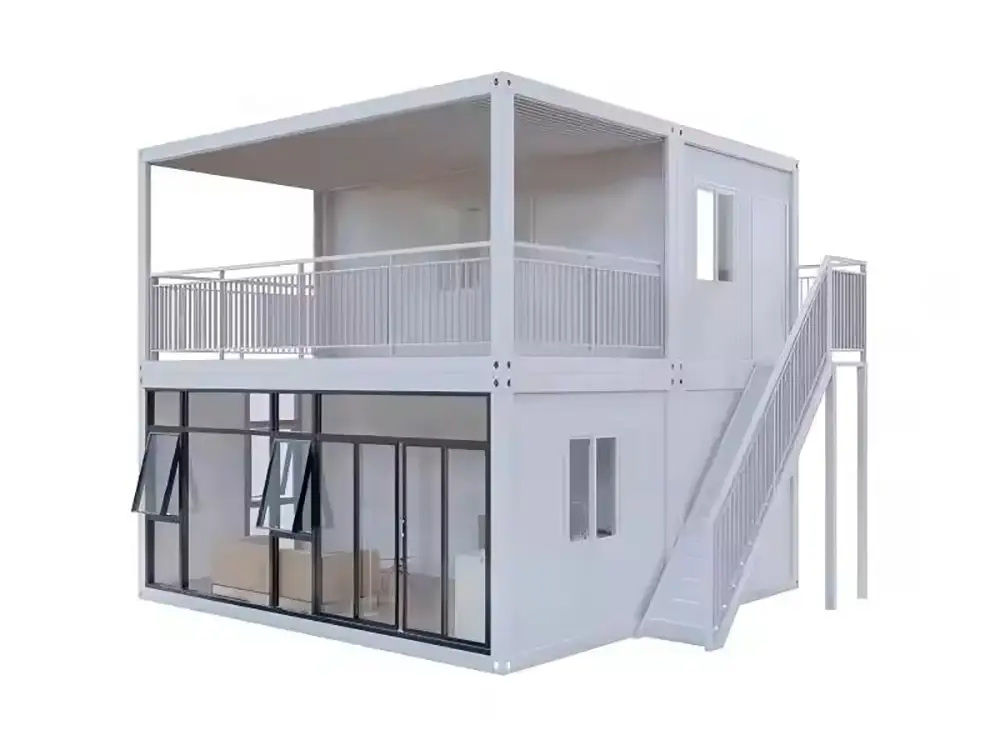
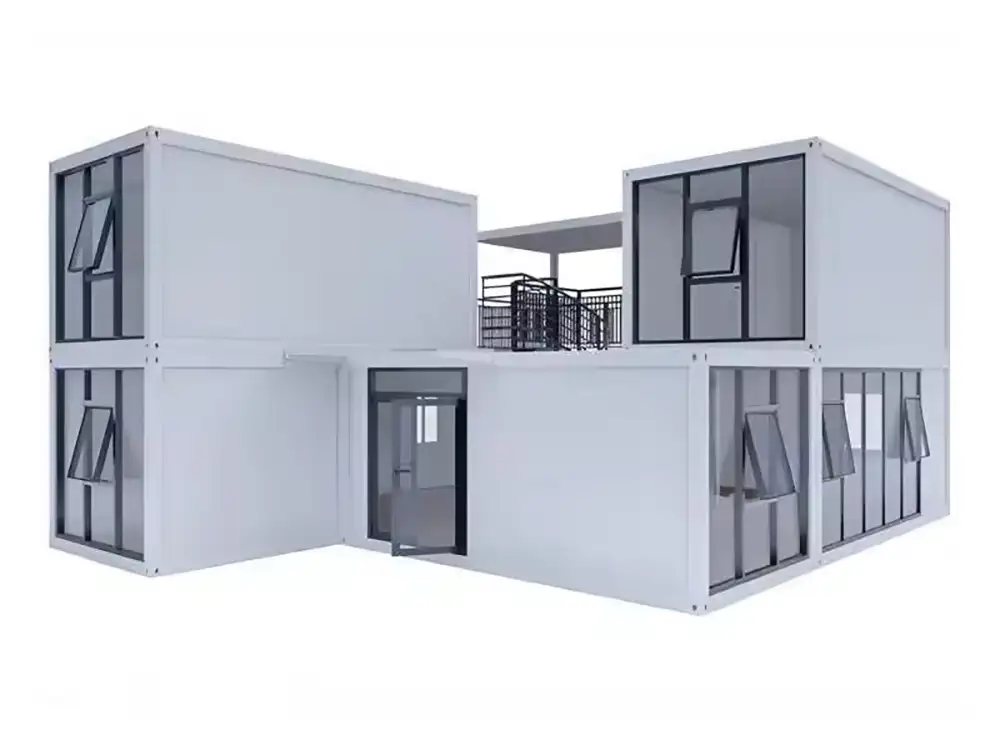
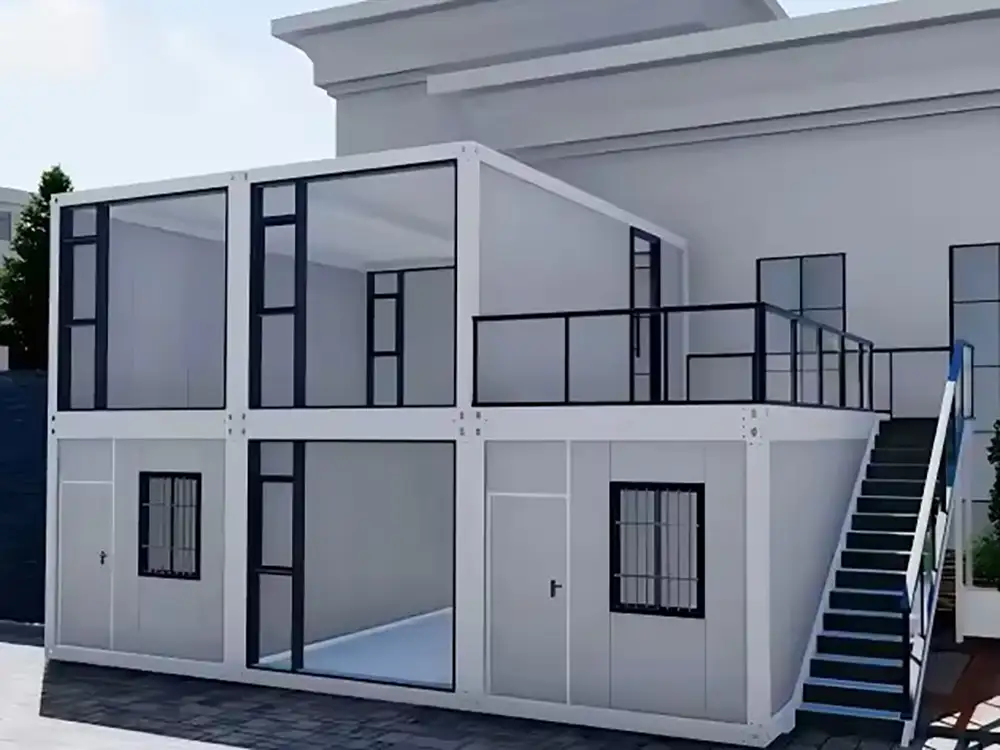
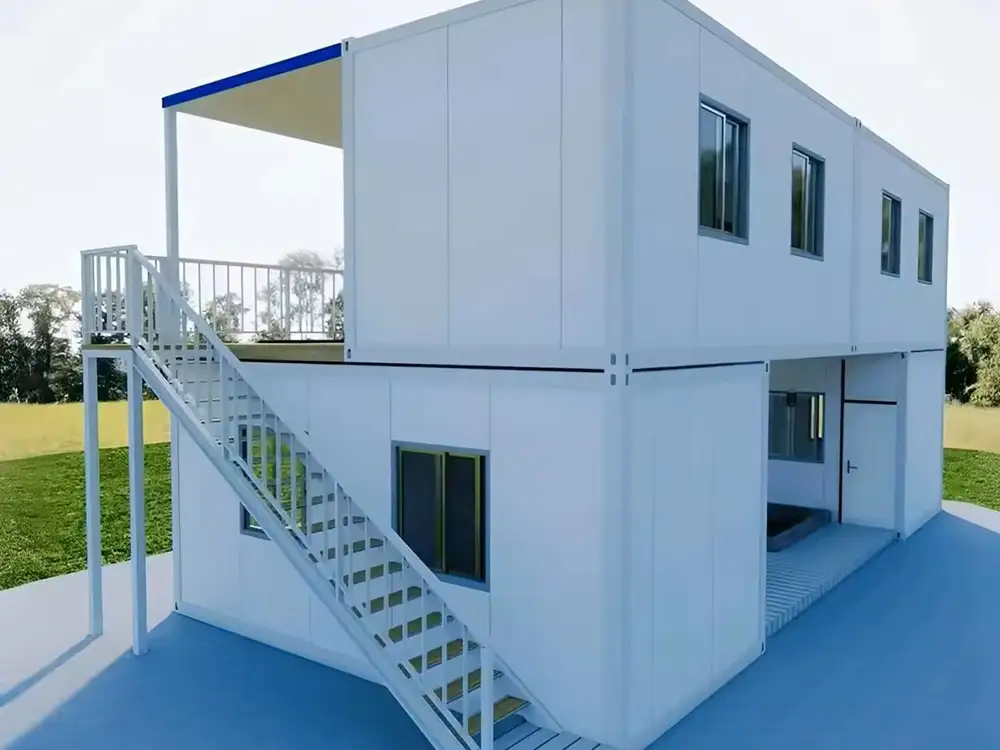
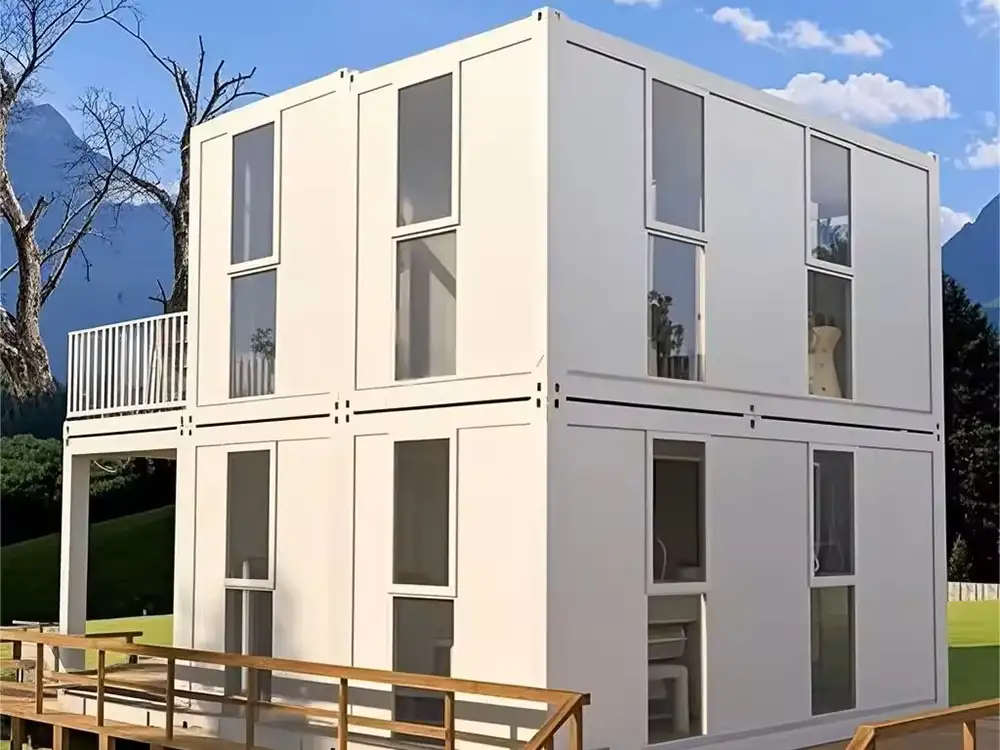
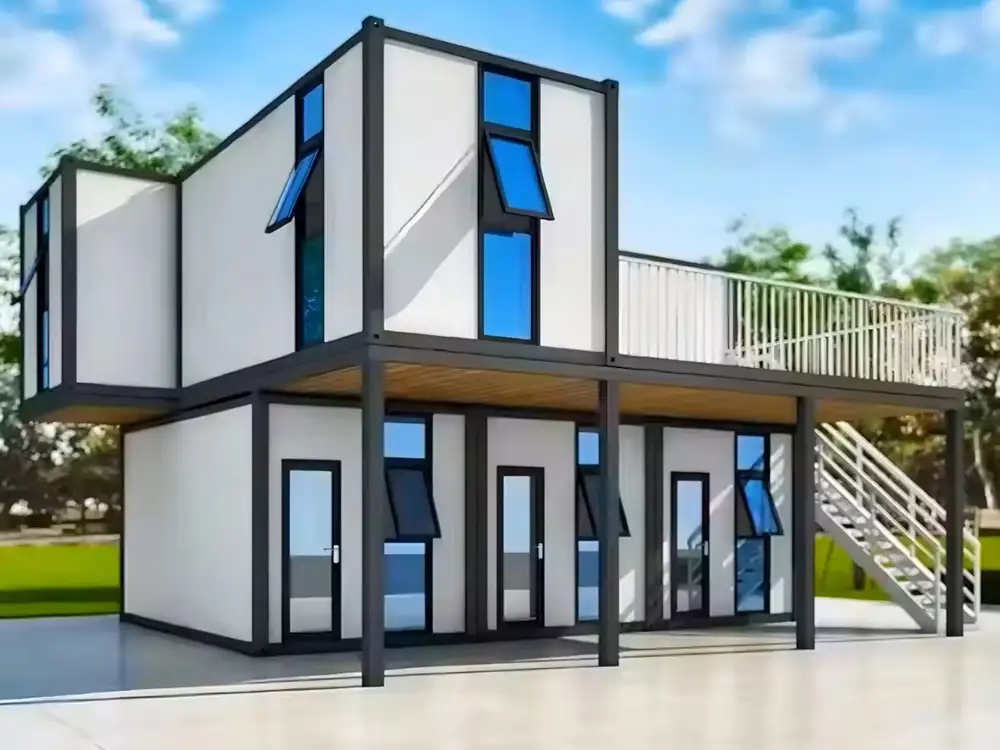
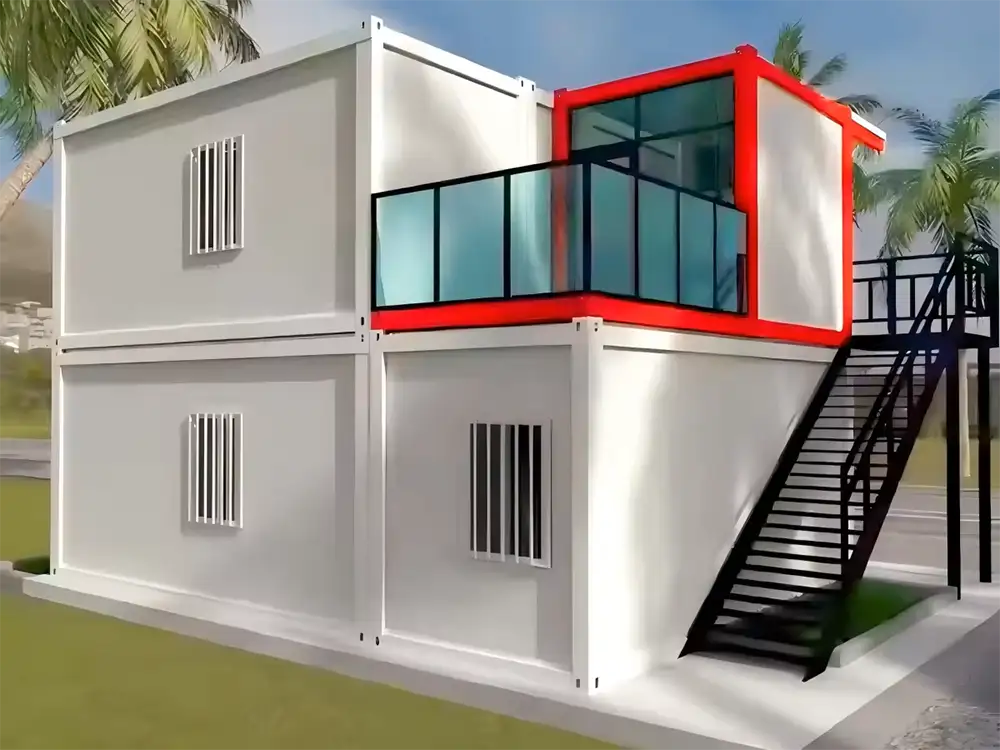
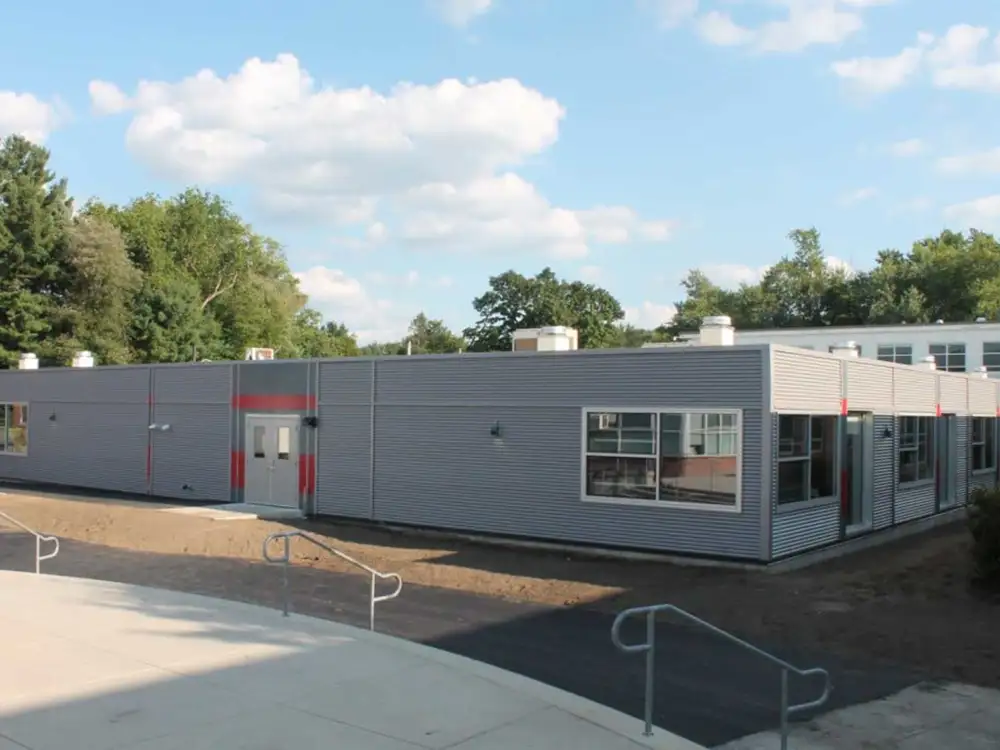
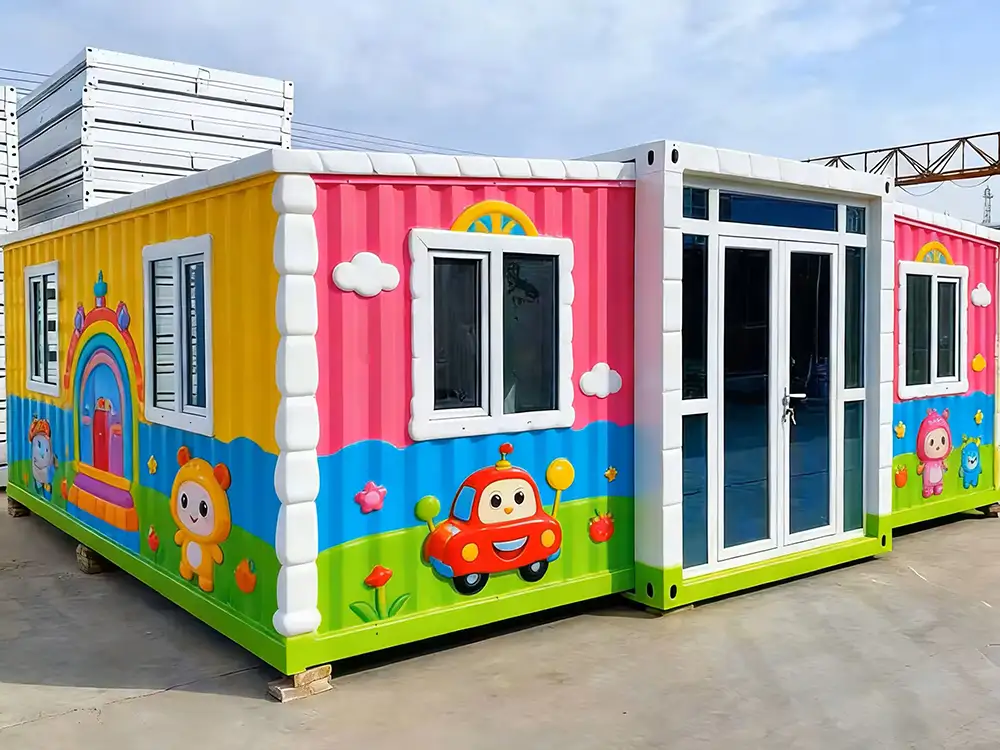
Temporary modular buildings have become an increasingly popular solution across a wide range of industries due to their flexibility, efficiency, and cost-effectiveness. Designed for rapid deployment and easy relocation, these buildings provide a practical alternative to traditional construction methods while maintaining high standards of quality, durability, and functionality.
One of the key advantages of temporary modular buildings is their speed of installation. Unlike conventional buildings that require lengthy construction timelines, modular structures are prefabricated in controlled factory environments and then transported to the site for assembly. This significantly reduces construction time, labour costs, and potential delays caused by weather conditions. Businesses and project managers can quickly establish operational spaces, making modular buildings ideal for time-sensitive projects.
|
Project |
Specification |
Unit |
Length (mm) |
Note |
|
Wall panel |
50 series rock wool sandwich board |
Piece |
2560 |
Hot-dip galvanized double-sided color roll 0.25mm |
|
Main material of prefabricated container house |
Lower beam |
Root |
5630 |
Welded short pipe (supporting the floor) Hot dip galvanized cold rolled section steel 2.3mm |
|
Upper beam |
Root |
5630 |
Hot dip galvanized cold rolled section steel 2.3mm |
|
Pillar |
Root |
2480 |
Hot dip galvanized cold rolled section steel 2.3mm |
|
Pressure plate sub-slot |
Root |
5680 |
Upper beam and wall panel connector |
|
Connector |
Set |
|
8 corners per set |
|
Galvanized square tube |
Strength Top purlin |
Root |
2990 |
50 * 100 galvanized steel square pipe 1.2mm |
|
Gate |
|
Set |
950*2050 |
Steel door |
|
Window |
Set |
925*1200 |
Aluminum alloy belt anti-theft |
|
Roof tiles |
Piece |
2950 |
Top tile 0.4mm |
|
Ceiling tiles |
Piece |
2780 |
Ceiling tile 0.25mm |
|
Inside corner |
Strip |
5730 |
Color steel plate folding parts |
|
Fireproof floor |
Piece |
2790*1147 |
18mm thick glass magnesium board |
|
Glass wool |
Set |
|
0.5 pack |
Temporary modular buildings are widely used in construction sites, where they serve as site offices, worker accommodations, storage units, and meeting rooms. Their modular design allows for easy expansion or reconfiguration based on project requirements. As construction projects evolve, these buildings can be relocated or adjusted without major disruptions, providing unmatched flexibility compared to permanent structures.
In addition to construction applications, temporary modular buildings are also commonly used for commercial and residential purposes. They can function as temporary offices, classrooms, healthcare facilities, retail spaces, and emergency housing. Their adaptability makes them suitable for both short-term and long-term use, depending on the needs of the user.
Durability is another important feature of modern modular buildings. High-quality materials such as steel frames, insulated panels, and weather-resistant coatings ensure that these structures can withstand harsh environmental conditions. Whether used in hot, cold, or humid climates, temporary modular buildings are designed to provide a safe and comfortable environment for occupants.
Cost efficiency is a major factor driving the demand for modular construction. By streamlining the manufacturing process and reducing on-site labour, modular buildings help lower overall project costs. Additionally, their reusable nature allows businesses to maximise return on investment, as the structures can be dismantled and reused for future projects.
Transportation and installation are also simplified with modular systems. Components are designed for easy loading, shipping, and on-site assembly. Many modular buildings feature plug-and-play systems for electrical wiring, plumbing, and interior fittings, further reducing setup time and complexity.
Sustainability is becoming increasingly important in the construction industry, and temporary modular buildings offer several environmental benefits. Factory-controlled production minimises material waste, while energy-efficient designs help reduce operational costs. The ability to reuse and relocate buildings also contributes to a lower environmental impact compared to traditional construction methods.
From a design perspective, modular buildings offer a high degree of customisation. Clients can choose from various layouts, sizes, materials, and interior configurations to meet specific requirements. Modern modular structures are not only functional but also aesthetically appealing, with options for exterior finishes and architectural styling.
Safety and quality control are ensured through strict manufacturing standards. Each module undergoes rigorous inspection and testing before leaving the factory, ensuring consistency and reliability. This level of quality control is often more difficult to achieve with traditional on-site construction.
In conclusion, temporary modular buildings provide a versatile, efficient, and cost-effective solution for a wide range of applications. Their fast installation, flexibility, durability, and sustainability make them an ideal choice for businesses, contractors, and organisations looking for practical space solutions. As the demand for efficient construction methods continues to grow, modular buildings are set to play an increasingly important role in the future of the industry.
Prev:
Modular Daycare Building
Next:
Portable Demountable Building
TAG:
Related Category:
Temporary Modular Buildings, Modular Temporary Buildings China, suppliers, manufacturers, factory, customized, wholesale, quotation, made in China