Prefab House VS Container House: Which Should You Choose?

Mar 28, 2026
If you are thinking about building a new home or looking for alternative housing options, you have probably come across both prefabricated homes and container homes. Both approaches promise speed, affordability, and modern design, but they also differ in important ways that affect long-term livability, environmental impact, and cost. This article explores the nuances of each option so you can make a confident decision that fits your goals, budget, and lifestyle. Read on to discover practical comparisons, real-world considerations, and helpful tips for choosing between these two increasingly popular housing solutions.

Many readers are drawn to prefab and container homes because they break from traditional construction’s long timelines and unpredictable expenses. Yet the right choice depends on far more than initial buzzwords. Below, you’ll find in-depth discussions of construction processes, cost breakdowns, design possibilities, thermal performance, site logistics, regulatory hurdles, and long-term value. Each section aims to clarify trade-offs and highlight scenarios where one approach might clearly outshine the other.
Prefabricated Vs Container Houses: Which Should You Choose? 1

Construction Process and Timeline

Prefabricated houses and container homes both offer accelerated construction timelines compared to traditional stick-built methods, but the way they achieve speed and the practical implications differ significantly. Prefab homes are constructed in factory-controlled environments in components or panels—ranging from modular volumetric units to panelized walls and roof systems—which are then transported to the site for assembly. Because much of the work happens indoors, weather delays are minimized and quality control is high. The timeline for prefab can be remarkably predictable: depending on the project complexity, factory work might take weeks to a few months, and on-site assembly often takes only days to a handful of weeks. However, lead times for factory slots, transportation scheduling, and site preparation must be considered. If a project requires custom finishes or engineered elements, additional design time is often necessary prior to factory production.

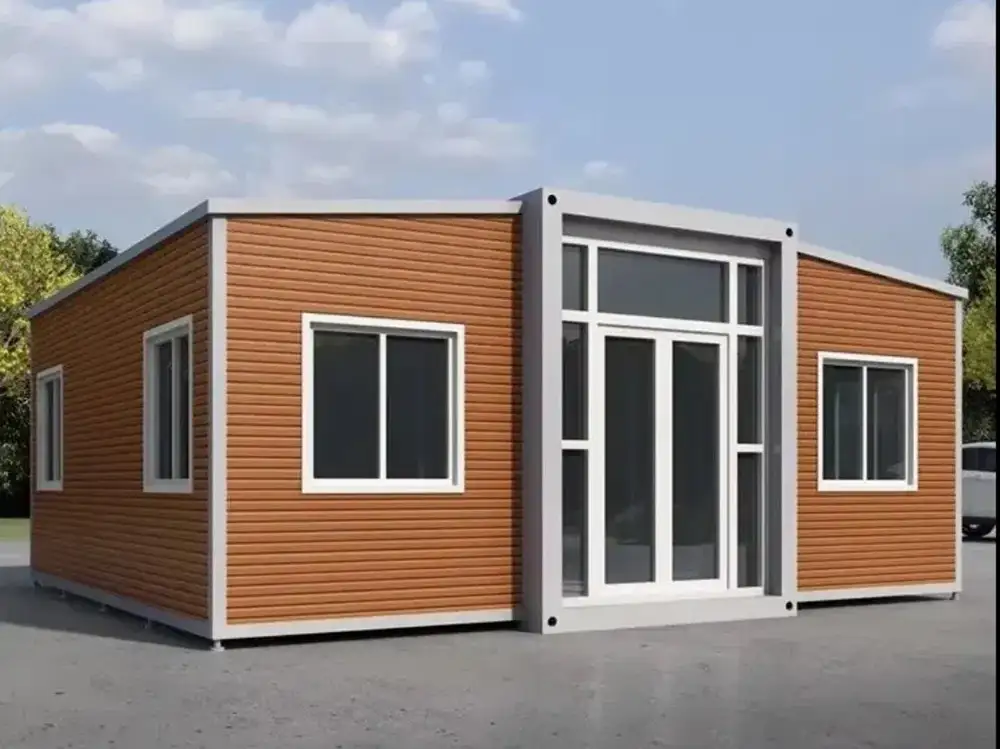
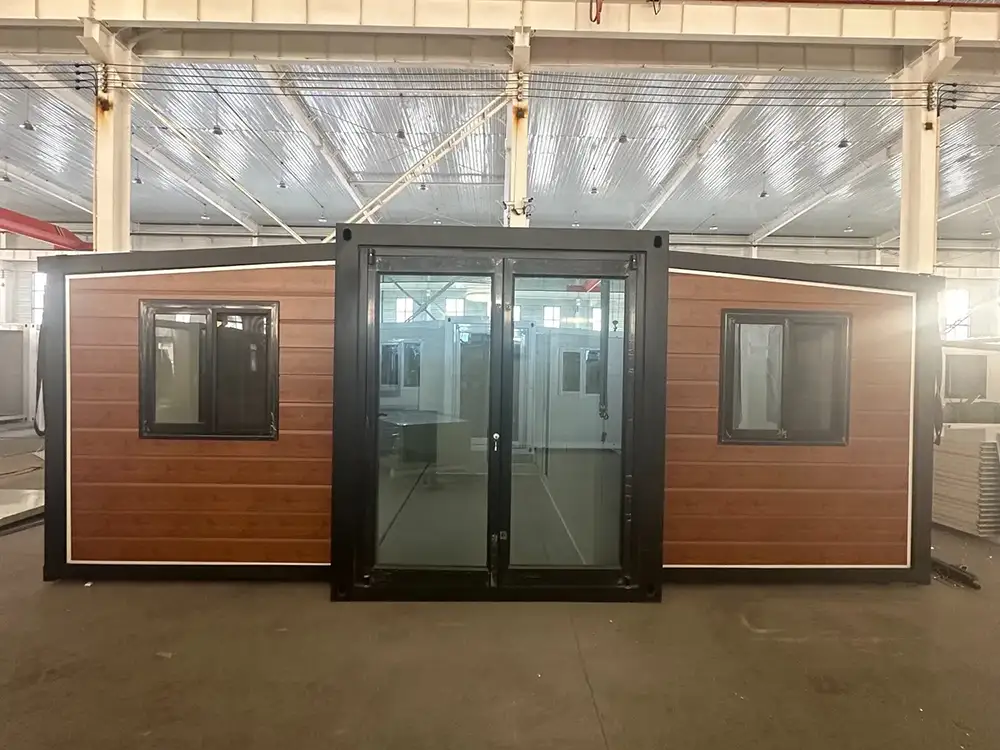
Container homes use repurposed shipping containers as primary structural modules. Containers offer a standardized, robust shell already compliant with structural loads, so converting a container can be quicker than erecting a new framed wall system. Basic container conversions—single box turned into a small studio with insulation, openings, and finishes—can be completed rapidly by a skilled builder. But timelines can lengthen if multiple containers are combined into complex floorplans, requiring substantial cutting, welding, reinforcement, and coordination for the integration of mechanical systems. Containers arrive as finished steel shells that often need significant retrofitting to meet residential standards: corrosion treatment, cutting for windows and doors, insulation and vapor control, electrical rough-in, plumbing, and interior finishes.

Both approaches depend on site readiness. Prefab still requires foundations, utilities, and sometimes crane work to place modules. Container homes also need secure foundations and potentially more heavy-lifting for stacked configurations. Permits and inspections impact timelines for both; delays often occur in municipal approvals. In many cases, the predictability of prefab production can make scheduling easier for homeowners seeking firm move-in dates, while container projects can be faster for simple, smaller builds but more variable for larger, architecturally ambitious designs. When time is essential, consider the entire chain—design, approvals, fabrication, transportation, site work, and final commissioning—to estimate an accurate timeline rather than relying on headlines about “weeks not months.”

Cost, Budgeting, and Financing
Prefabricated Vs Container Houses: Which Should You Choose? 

Evaluating cost between prefabricated and container houses is more nuanced than comparing sticker prices, as both upfront and lifecycle expenses factor into overall affordability. Prefabricated homes often market themselves on cost efficiency due to factory economies of scale, reduced material waste, and streamlined labor. Mass-produced modular units tend to reduce labor hours and miscuts, which translates to lower per-square-foot costs compared with custom site-built homes. However, high-quality prefab homes with premium finishes, complex designs, and engineered connections can become costly, and shipping freight and crane placement add to the budget. In addition, foundations, utility hookups, site grading, and permit fees remain on-site expenses that can erode perceived savings if not carefully planned.

Container homes sometimes present an attractive low-cost entry point because used shipping containers can be inexpensive relative to traditional framing materials, and the structural shell is already in place. For small projects or accessory dwelling units, container conversions can be highly economical, particularly if they employ simple layouts and have limited custom finishing. Yet costs can escalate quickly. Cutting and welding containers require skilled labor to maintain structural integrity where openings are added. Ensuring thermal comfort through high-performance insulation can be expensive, especially if you choose spray foam or sophisticated multi-layer systems. Corrosion protection, integration of windows and doors, and modifications for plumbing and mechanical systems contribute to rising costs. When stacking and linking multiple containers, reinforcing the frame and designing effective structural connections can add significant expense.

Financing differs as well. Traditional mortgages are more readily available for homes that meet standard building codes; many prefabricated homes are built to such codes and can qualify for standard construction loans or mortgages. Modular homes that sit on permanent foundations and are recognized as real property often have easier access to conventional financing. Container homes can face harder scrutiny from lenders, particularly if they are nonconforming or located on properties that do not meet typical residential valuation standards. Some lenders require specialized appraisal and documentation proving the structure’s compliance with local codes, which can complicate financing. Homeowners may need to seek personal loans, construction loans tailored to alternative builds, or use cash in hand for container projects.

When budgeting, account for hidden costs: site modifications, legal and permit fees, landscaping, connecting to utilities, transportation of modules or containers, crane rental, and warranty considerations. Life-cycle costs also matter: insulation efficiency, HVAC sizing, and long-term maintenance (corrosion for containers; seal and joint maintenance for prefab) will affect utility bills and upkeep. A realistic estimate will include a contingency for unforeseen conditions and align financing options with the classification of the dwelling as real property versus movable structures.

Design Flexibility, Customization, and Aesthetics

Design freedom is a central factor for many buyers deciding between prefabricated and container houses. Modern prefab technology has evolved significantly, offering an impressive range of customization and aesthetic choices. Prefab systems include everything from highly standardized, economical panelized homes to bespoke modular units that can be configured into complex layouts. Designers often embrace prefab for its ability to integrate quality finishes, large glazing, and nuanced interior layouts while retaining the cost and schedule advantages of factory production. Because components are engineered to fit together precisely, architects can manipulate volumes, cantilevers, and mixed materials to create visually appealing and functionally diverse homes. Finishes can rival traditional construction, with the capacity for custom cabinetry, premium flooring, and integrated mechanical systems concealed within wall depths.

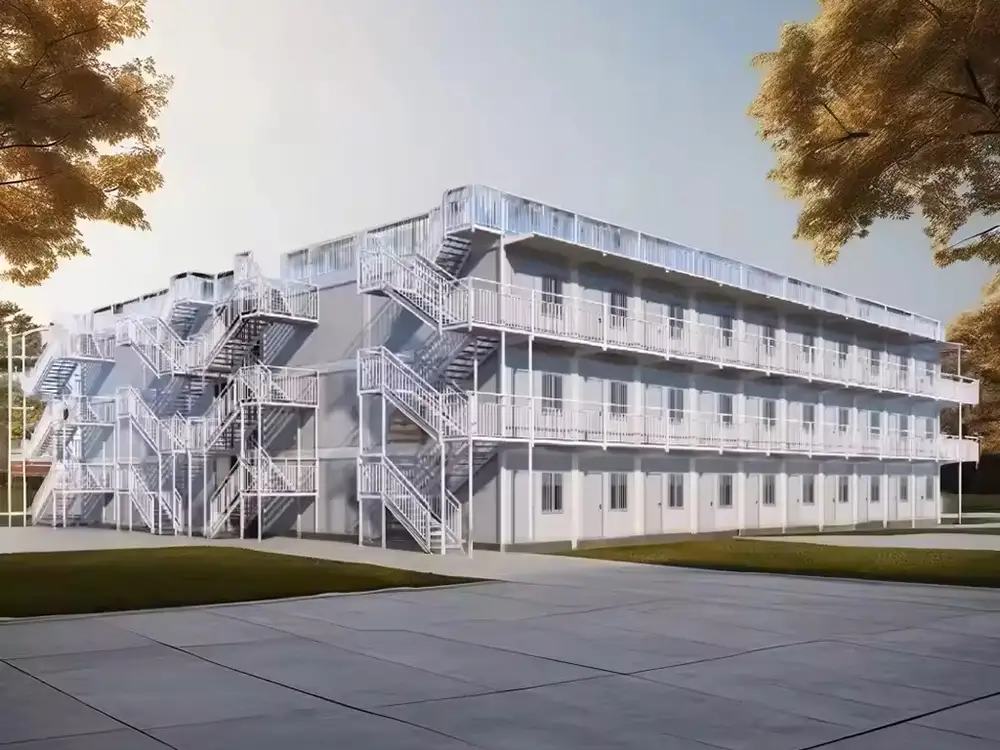
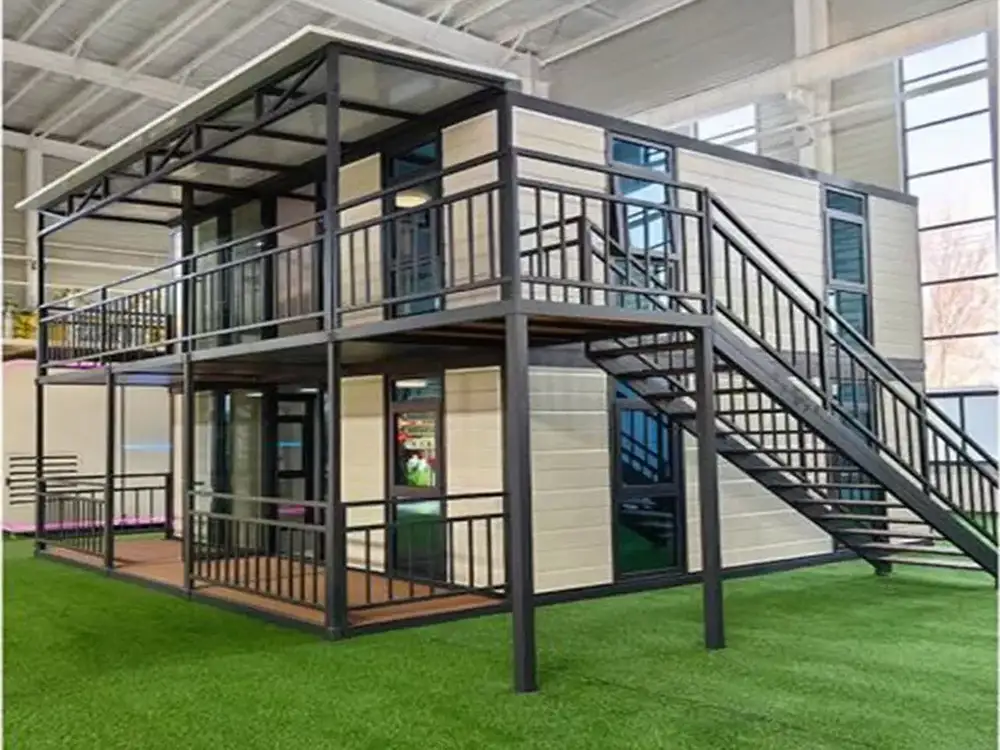
Container homes bring a distinct industrial aesthetic that can be striking when thoughtfully executed. The raw, linear form of shipping containers lends itself to minimalist, contemporary, and adaptive designs. Many creative builders use containers for modular stacking, offset placements, and the incorporation of outdoor living spaces created by cantilevered sections or recessed containers. However, container geometry imposes constraints: standard widths (approximately 8 feet) and specific lengths create narrow interior proportions that often require combining multiple containers or creative joinery to achieve spacious open-plan layouts. Achieving soft curves, larger spans, or complex rooflines is more challenging and may require additional framing or hybrid construction methods. Cutting away walls for openings affects structural integrity and necessitates reinforcement, so every design move has structural and cost implications.

Customization in prefab is advancing with manufacturers offering configurable options, finish packages, and accessory modules such as garages and porches. Prefab also adapts well to large fenestrations, non-rectilinear forms, and energy-efficient envelopes that can meet high-performance standards like passive house with appropriate design choices. In contrast, containers may require more inventive engineering to meet similar comfort goals, particularly related to insulation and condensation control given steel’s high thermal conductivity.

Aesthetically, a prefab home can be made to look like a traditionally built home, a modernist retreat, or anything in between, depending on materials and cladding. Container homes often retain signature metal paneling and corrugated textures that appeal to audiences seeking industrial chic or avant-garde statements. For buyers desiring a distinct look with branding potential (think cafes, studios, or accessory dwellings), containers have a unique visual language that is immediately recognizable. Ultimately, design flexibility is about the trade-off between expressive freedom and practicality: prefab typically offers broader flexibility with fewer structural compromises, while containers demand creative problem-solving to achieve certain looks and spatial experiences.

Thermal Performance, Durability, and Environmental Impact

Thermal performance and durability are critical for long-term comfort and operational costs. Prefabricated homes can be engineered for excellent thermal performance because factory assembly allows precise control over insulation placement, air sealing, and thermal bridging mitigation. Modern prefab systems can incorporate continuous exterior insulation, high-performance windows, and mechanical ventilation with heat recovery, resulting in low heating and cooling loads. Where sustainability is a priority, prefab manufacturers can integrate energy-efficient systems, renewable energy-ready infrastructure, and sustainably sourced materials. Durability in prefab homes benefits from quality-controlled production: components are protected during construction from weather exposure, and finishes are applied under ideal conditions, which can enhance lifespan and reduce long-term maintenance.

Container homes present both environmental advantages and challenges. Using repurposed shipping containers is inherently attractive from a reuse perspective, diverting steel structures from scrap and reducing the demand for virgin framing materials. This reuse aspect resonates with sustainability-minded buyers. However, the environmental picture is complex: containers often need extensive retrofitting to become habitable, and the energy embodied in the steel and modifications may offset initial benefits. Thermal performance of a bare steel container is poor due to high thermal conductivity; without thoughtful insulation and vapor control, container homes can suffer from condensation, thermal bridging, and significant energy use. Adding insulation on the interior reduces interior space, while exterior insulation requires additional framing and cladding to protect materials and meet fire and weather performance criteria.

Durability wise, steel containers are resilient and designed to withstand harsh shipping environments, which translates to excellent structural longevity when properly maintained. But corrosion is a real concern, especially if containers were previously used to transport corrosive materials or if coatings have deteriorated. Ensuring long-term durability means treating and repainting surfaces, protecting cut edges, and using suitable coatings for coastal or humid environments. Fire performance and acoustic control also differ: steel conducts heat and sound differently than conventional materials, so additional measures are necessary to meet performance expectations.

From an environmental lens, prefab construction can be optimized to minimize waste, improve material sourcing, and incorporate lifecycle thinking. Modular production enables efficient use of materials and easier recycling of offcuts. Energy performance upgrades in prefab systems can lead to low operational carbon over lifetime. For container homes, the environmental benefit of reuse must be weighed against refurbishment energy and the performance gap if insulation, sealing, and HVAC are not done to high standards. Ultimately, both approaches can be made sustainable with careful design choices, but prefab typically affords more straightforward paths to consistent, certified energy performance.

Site Considerations, Permits, and Logistics

Choosing between prefabricated and container houses requires careful attention to site conditions, local regulations, and logistics. Site topography, access, soil conditions, and proximity to utilities shape the feasibility and cost of both approaches. Prefab modules need access for large trucks and often a crane for placement. This can be straightforward on a flat, accessible lot but costly or infeasible on steep, narrow, or remote sites. Foundation types vary depending on design and soil conditions; prefab units usually sit on perennial foundations such as slab, crawlspace, or piers designed to integrate the structural loads of modules. Site work includes grading, foundation construction, utility trenches, and possibly temporary road improvements to allow transportation of modules.

Container homes have similar access demands for delivery and cranes, particularly for multi-story stacks. Containers are standardized units and can be easier to transport in some contexts, but the site still needs to be prepared with sturdy foundations and appropriate drainage. Because containers can be moved more readily than some modular units, they are often appealing for sites where future relocation might be desirable; however, once heavily modified and connected to utilities, relocation becomes more complicated and costly. Zoning is a major factor. Local codes and zoning ordinances may restrict the use of nontraditional structures, set minimum square footage, require permanent foundations, or demand adherence to neighborhood aesthetics. Some jurisdictions are supportive of modular prefab homes and have clear permit pathways, while others may lack specific guidance, resulting in longer approval timelines. Container homes often face skepticism from building officials unfamiliar with this type of structure, which can necessitate additional engineering documentation, certifications of materials, and demonstration of compliance with structural, fire, and energy codes.

Logistics extend beyond transportation. For prefab, coordinating factory production schedules with site readiness is essential to prevent modules sitting idle in storage or on-site, which can add cost and risk. For container projects, sourcing high-quality containers that are fit for residential use is important—avoiding units with chemical contamination or severe structural damage saves time and reduces retrofit cost. Both approaches benefit from early engagement with local building officials and utility providers to identify constraints such as allowed setbacks, septic vs. sewer availability, and connection fees. Environmental permits, floodplain requirements, and historic district restrictions may also shape what is possible. Thoughtful site selection and thorough pre-construction planning reduce surprises, control costs, and improve the overall outcome.

Resale Value, Long-Term Maintenance, and Suitability

When evaluating prefabricated versus container houses, consider not only the immediate satisfaction of living in a distinctive or efficient home but also longer-term concerns like resale value, maintenance needs, and suitability to your intended use. Resale value tends to follow market perception and local demand. Prefabricated homes that meet local building codes, sit on permanent foundations, and resemble conventional homes in finish often track market values closely, especially when energy performance, modern layouts, and quality materials are present. Because prefab construction can deliver consistent quality and finishes comparable to traditional homes, buyers in many markets accept them readily, and appraisals can align with stick-built equivalents if similar in size, condition, and amenities.

Container homes can be more variable in resale prospects. In neighborhoods where unconventional architecture is prized, container homes may attract premiums for their uniqueness and efficient use of space. In more conservative markets, buyers and appraisers may be hesitant, and the home’s classification—whether as a permanent structure or an assemblage—can influence financing and resale processes. Maintenance differs between the two: prefab homes benefit from controlled construction quality, but connections between modules, exterior seals, and cladding require periodic inspection and upkeep. Warranty coverage from manufacturers can provide peace of mind for certain components. Container homes require vigilance against corrosion, especially at cut edges and welded seams. Exterior coatings and regular inspections will help prevent rust-related deterioration. Interior finishes may need special fastening methods to manage steel substrates, and insulation systems must be maintained to avoid moisture and mold problems.

Suitability depends on use case. For primary residences where long-term appreciation and integration into local housing stock matter, prefabricated modules that conform to codes and local expectations usually represent a safer path. For short-term projects, guest houses, remote cabins, pop-up retail, or creative live-work spaces, container solutions may offer unparalleled speed, portability, and distinctive aesthetics. For those seeking low environmental impact with high thermal performance, prefabricated homes designed for efficiency (or hybrid approaches that combine prefab frames with recycled components) could be preferable. Additionally, lifestyle factors—such as the desire for flexible layouts, potential future expansion, or aesthetics—should guide choice. Ultimately, examine local market attitudes, financing accessibility, and maintenance capacity in your decision-making process.
Prefabricated Vs Container Houses: Which Should You Choose? 3

In summary, both prefabricated and container houses have compelling advantages and distinct trade-offs. Prefabricated homes generally offer predictability, high-quality finishes, and easier access to traditional financing, making them well-suited for mainstream residential projects where efficiency and resale value matter. Container homes excel in adaptability, industrial aesthetics, and reuse-based sustainability but require more careful engineering to address insulation, corrosion, and code acceptance. Your decision should reflect site conditions, long-term goals, budget realities, and personal priorities such as appearance, environmental footprint, and timeline. Take time to consult local professionals, obtain realistic cost estimates, and visit completed projects when possible to ensure you choose the solution that aligns with your vision and practical needs.

Ultimately, neither option is universally better—each shines in the right context. If you prioritize predictable schedules, high energy performance, and broader market acceptance, prefabricated homes often lead to fewer surprises. If you value bold design, reuse of materials, and modular portability for secondary structures or creative builds, container homes may be the perfect fit. Weigh the pros and cons presented here, get multiple quotes, and engage with local authorities early to smooth the path from idea to move-in.

Relevant Products
Multiple Purposes Fast Assemble Prefab Container House

Versatile Fast Assemble Prefab Container House designed for multiple purposes. Easy installation, durable structure, and flexible layout for housing, offices, and commercial use....

More
Porta Cabin Classroom

Porta Cabin Classroom provides fast-deploying, durable, and fully equipped modular classroom solutions for schools, training centres, and remote education projects in Australia. Designed for comfort, flexibility, and cost efficiency....

More
Relocatable Home
Relocatable Home

Durable Relocatable Home with modular design, fast assembly, and easy relocation. Ideal for temporary housing, construction sites, vacation homes, and affordable modern living....

More
Metal Farm Building
Metal Farm Building

High Quality Metal Farm Building For Agricultural Storage, Livestock And Equipment Use. Durable Steel Structure, Weather Resistant And Fully Customizable Design With Fast Installation From Factory Direct Supply....

More
  • Send You Inquiry

  • Give You The Solution

  • Place The Order

  • Get Your Equipment

Ask for the Solution Suited Your Condition!

Tell us your need about equipmentin your industry, we will recommend the most suitable machine model for you!

Consult online customer service
Click it to get new verification code
