As a professional manufacturer and supplier of complete sets of convenient Houses, Our Factory Located in Weifang City, knowned as "Houses and Building Materials City of China", devoted to research, design, manufacture, promotion, and after-service.nearby Qingdao port; its transportation is very convenient.

-
Container House
-
Flat Pack House
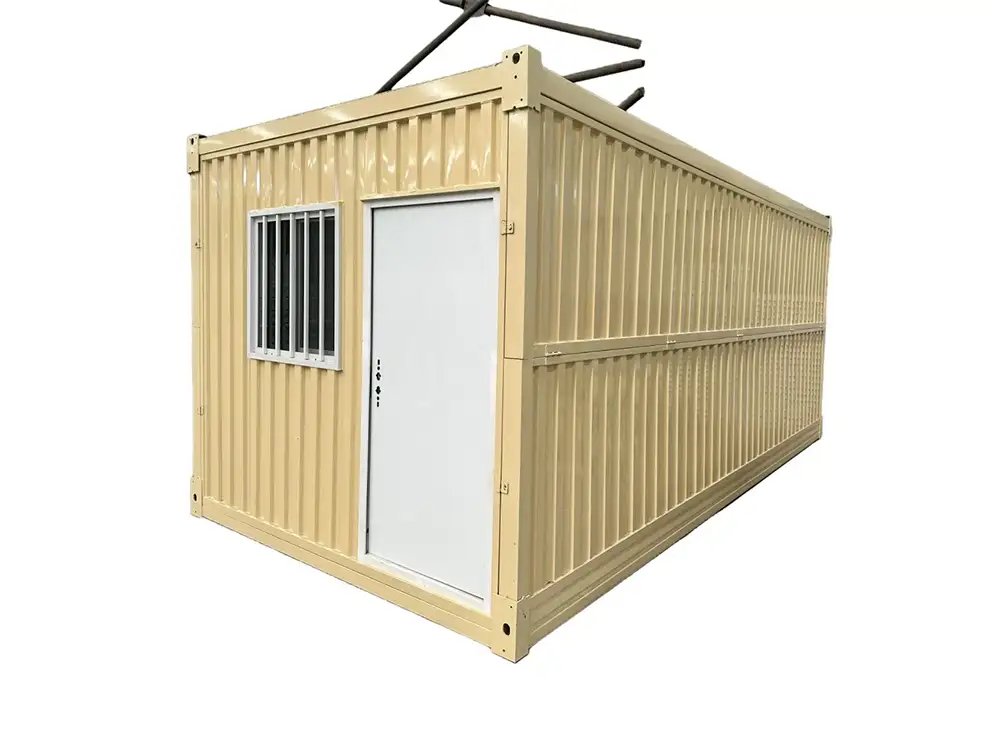
 Prefab Container House
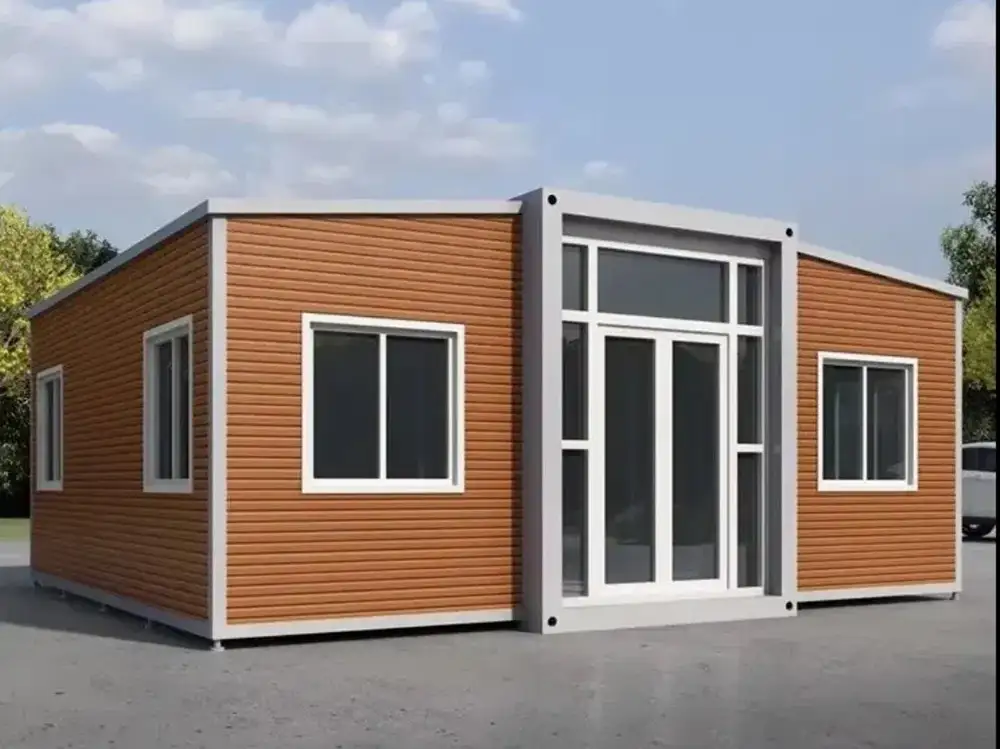
Prefab Container Houses are innovative, modular homes designed for rapid deployment, durability, and sustainability. Using prefabricated container units or modular panels, these homes provide fully functional living spaces that can be easily transported, assembled, and customized. They are suitable for residential, recreational, or commercial applications and offer a modern alternative to traditional construction.
More >> -
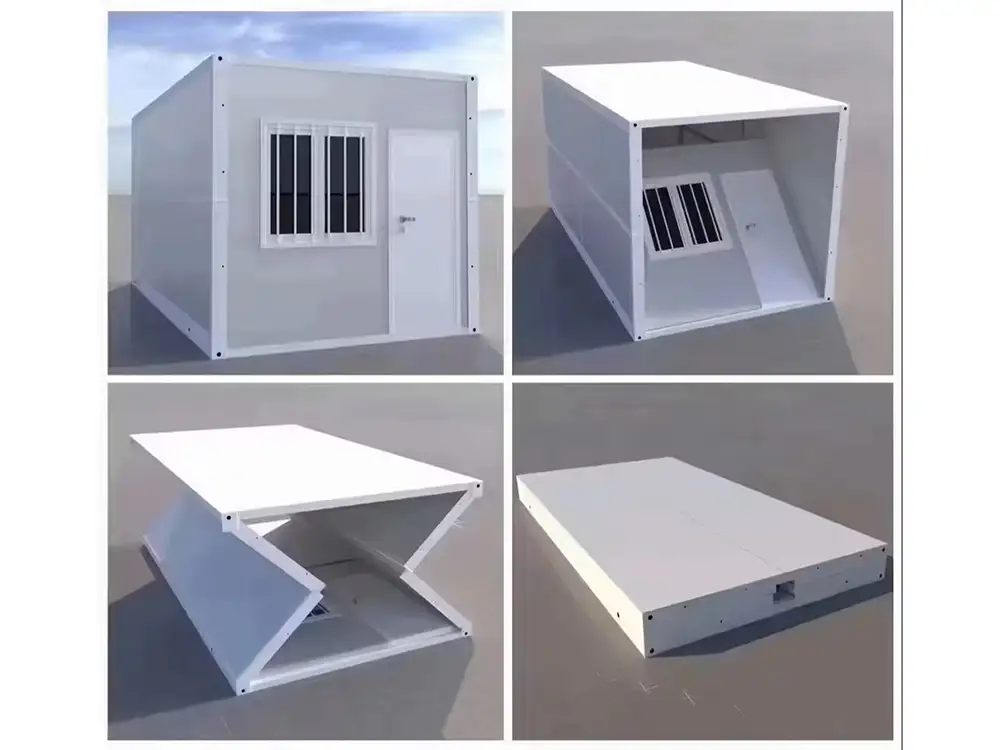
Folding Container House
 Foldable Container House
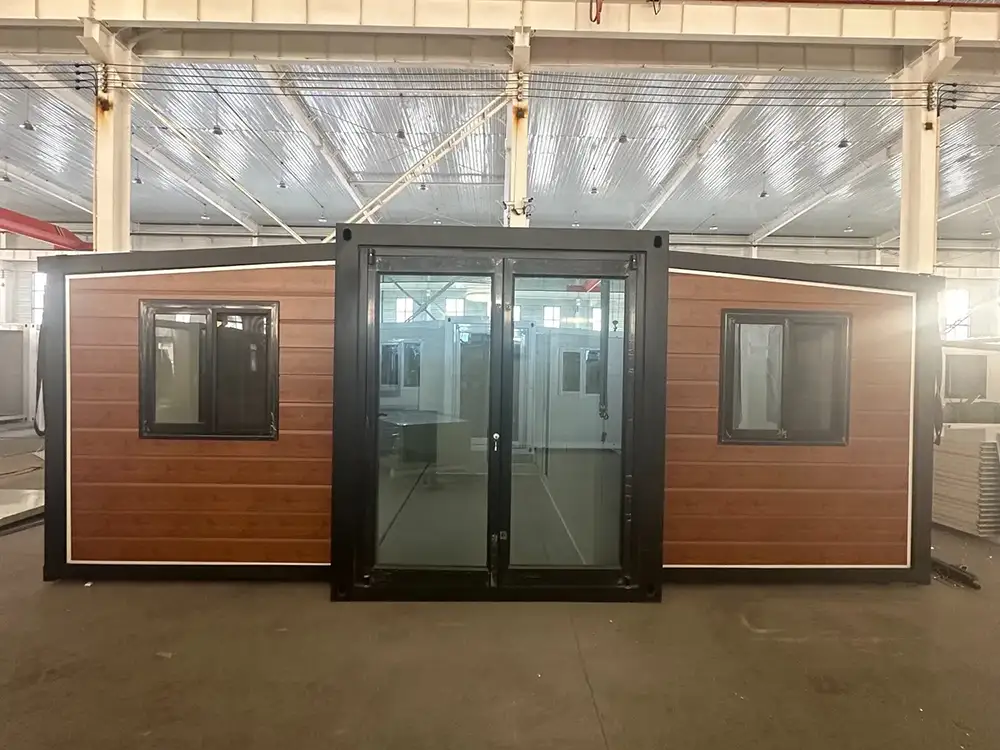
Folding Container Houses represent a new era in modular housing, combining portability, rapid assembly, and high durability. Designed for both residential and commercial purposes, these homes utilize prefabricated, foldable container units that can be transported easily and set up quickly at almost any site
More >> -
Detachable House
 Detachable House
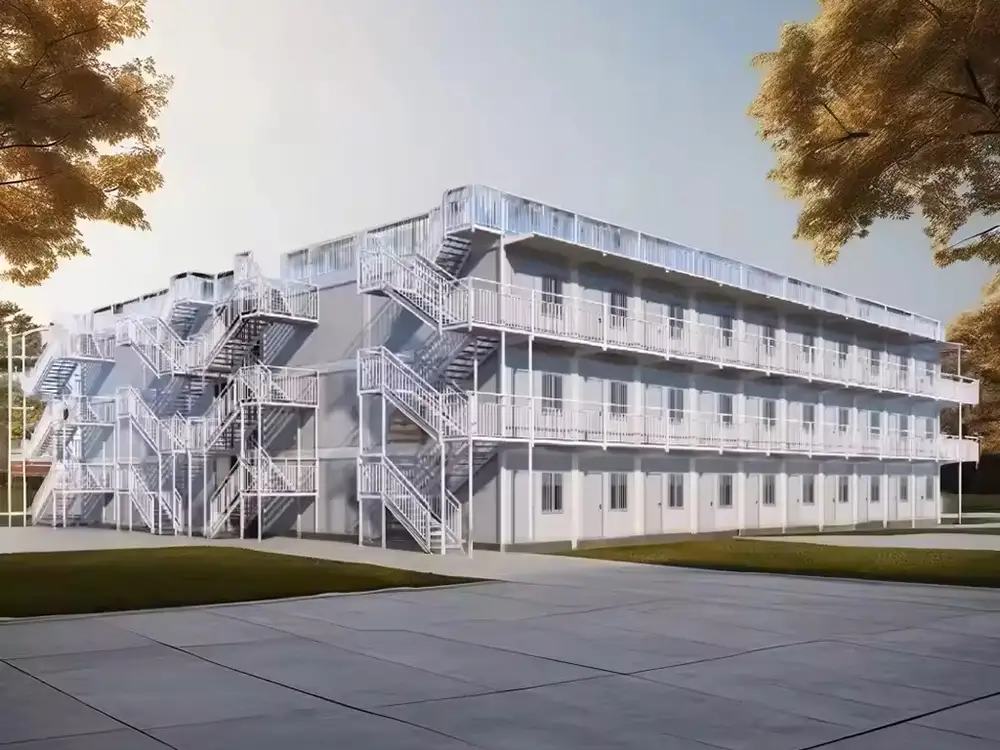
The prefab house can be used as the office, accommodation, canteen,bathroom and other big open spaces, to meet the needs of construction site, fieldwork camp, social housing, disaster site and other commercial purposes. Flat-Pack is widely used in Europe, Japan, Middle East, Southeast Asia, Malaysia, Philippines, Africa and other areas.
More >> -
Apple Cabin
 Apple Cabin
0FT 40FT Apple Cabin is a next-generation modular living solution that combines futuristic design, premium comfort, and efficient prefabrication technology. Inspired by modern architectural trends and compact luxury living, the Apple Cabin stands out with its distinctive curved shape, panoramic windows, and high-end finishes..
More >> -
Space Capsule
 Space Capsule
Prefabricated Space Capsule, Movable Customized Waterproof Moisture-Proof Fireproof Homestay Space CapsuleThe Prefabricated Space Capsule Movable Customized Waterproof Moisture-Proof Fireproof Homestay Space Capsule is a revolutionary modular accommodation solution designed for the future of tourism, hospitality, and compact living. Combining advanced engineering, futuristic design, and high-performance materials
More >> -
Prefab Container House
 Prefab Container House
Euro V tractors utilize advanced engine technologies, such as direct injection and turbocharging, to optimize fuel consumption. By burning less fuel, Euro V tractors reduce operational costs and minimize carbon emissions, promoting a greener and more sustainable agriculture industry
More >>
-
Flat Pack House
-
Expandable House
-
10FT Expandable House
 10FT Expandable House
The 10ft expandable house is a compact, innovative dwelling made from durable materials like steel. It can be expanded into a larger living space that includes a kitchenette, bathroom, and sleeping area by folding the walls or extending the telescopic sections.
More >> -
20FT Expandable House
 20FT Expandable Container House
20FT Expandable Container House offers a spacious, durable, and portable modular living solution. Designed for quick installation and modern comfort, it is ideal for residential, commercial, and emergency housing needs.designed to meet international safety standards. Fire-resistant materials, secure structural components, and reliable electrical systems ensure occupant safety.
More >> -
20FT Two-story Expandable House
 20FT Two-story Expandable House
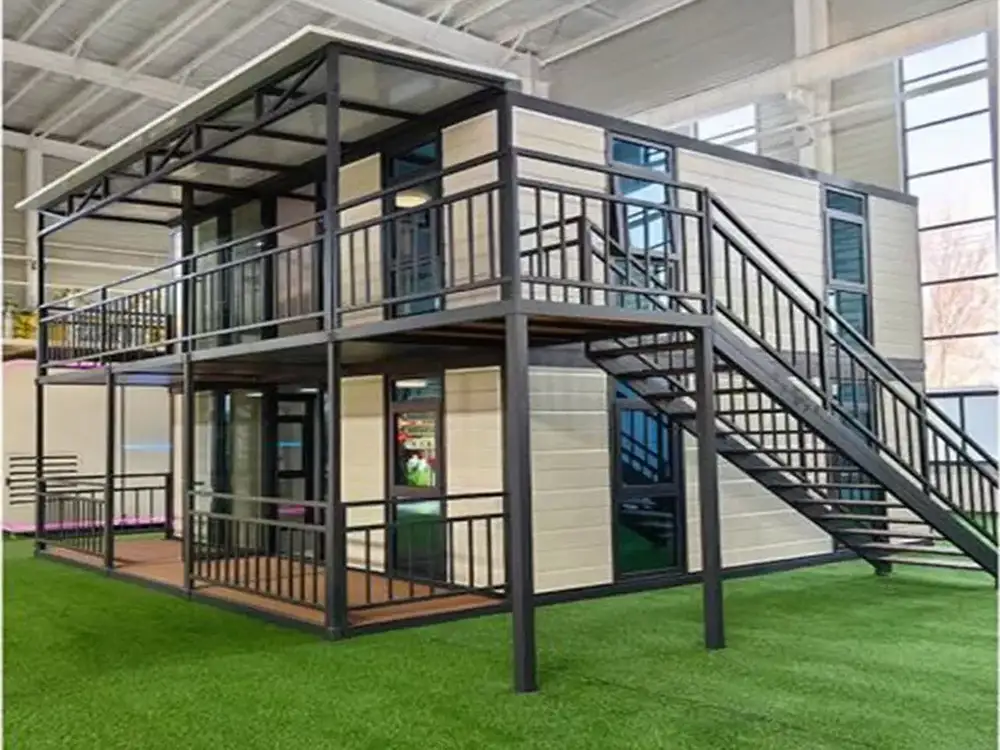
Fast Build Foldable Prefab Villa Waterproof Expandable Container House Insulated Prefabricated Folding Mobile Portable Home,All doors and windows are crafted using aluminum alloy materials and double-layer insulated glass, offering effective thermal and sound insulation with heightened security. 5.We take care of the installation of plumbing and electrical systems, ensuring compliance with your country's electrical safety standards.
More >> -
30FT Expandable House
 30FT Expandable House
30FT Expandable Container House is designed for those who demand more space, more comfort, and more versatility from modular living. Moving beyond compact solutions, this larger expandable unit offers a premium living experience that closely rivals traditional homes—while maintaining the flexibility and efficiency of prefabricated construction.
More >> -
40FT Expandable House
 40FT Expandable House
40FT expandable container house are wide-ranging. It can be used as a permanent residence, temporary housing, site accommodation, staff dormitory, vacation home, or emergency shelter. Its modular nature also allows multiple units to be combined for larger housing complexes or commercial uses...
More >>
-
10FT Expandable House
-
Steel Structure Building
-
Steel Structure Building
 Steel Structure Building
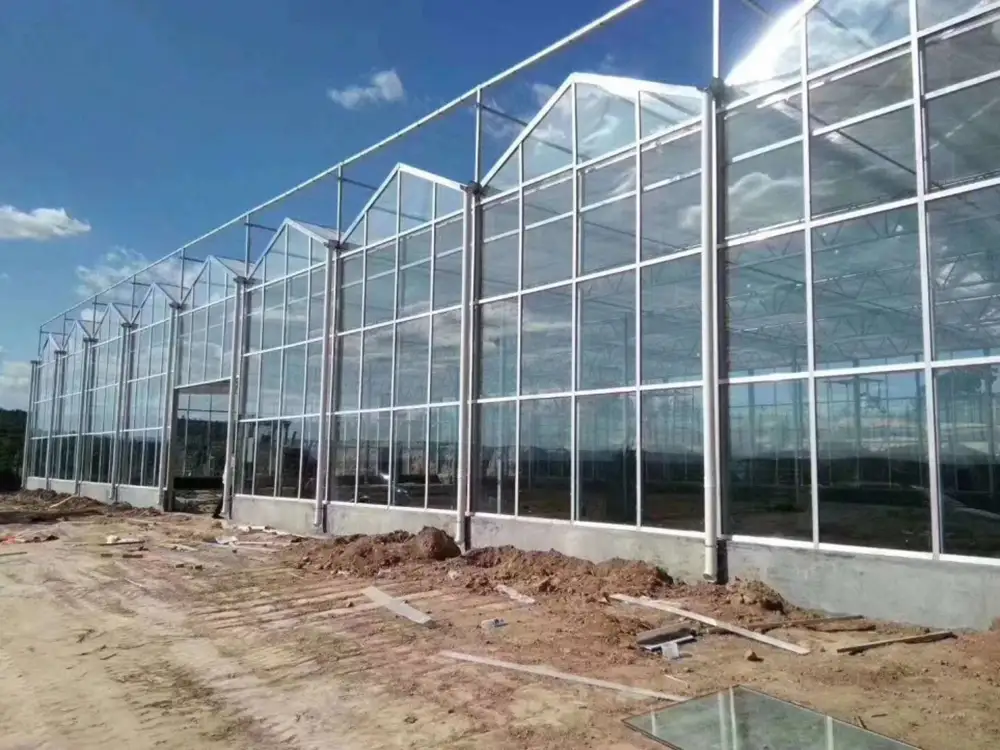
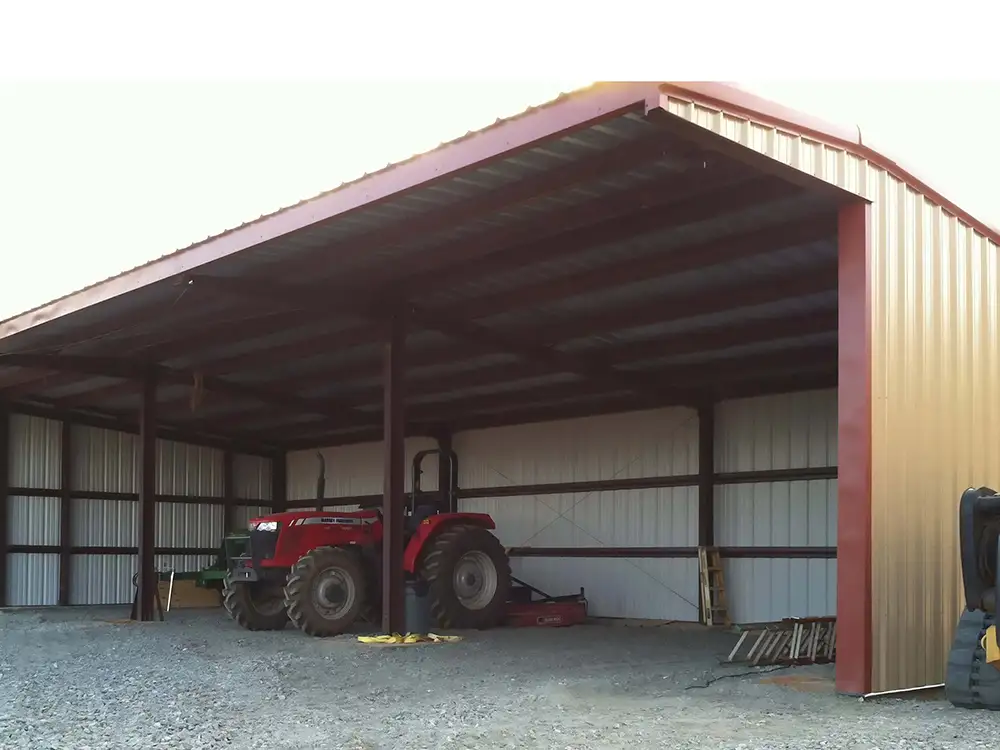
Steel Structure Building is a highly efficient and durable construction system widely used in industrial, commercial and agricultural applications. Designed with advanced engineering technology and high-quality structural steel, these buildings provide superior strength, flexibility and long-term performance.
More >> -
Light Steel Villa
 Light Steel Villa
Light Steel Villa,industriallzed production,quick construction, little influence to construction by weather conditions. Light Steel Villa The mainbody bearing of low level cold-bending hollow steel section assembly type villa house system adopts cold-bending hollow steel section and structure plates to form rib plate type wall-body structure.
More >>
-
Steel Structure Building
-
Furniture Series
-
Bed
 Bed
BedWe use high-quality, durable, and eco-friendly materials such as sturdy metal frames, solid wood components, premium upholstery fabrics, high-density foam, and corrosion-resistant hardware. All materials comply with international safety, quality, and environmental standards.
More >> -
Chair
 Chair
ChairWe provide flexible customization options in dimensions and configurations to suit different bedroom layouts and space requirements—ideal for residential homes, apartments, hotels, dormitories, and other commercial applications.
More >> -
Table
 Table
TableA wide selection of finishes, fabrics, leathers, and design styles is available, ranging from modern minimalism to classic elegance, ensuring our beds complement diverse interior aesthetics..
More >> -
Sofa
 Sofa
Sofaoffering features such as adjustable mechanisms, built-in storage solutions, integrated LED lighting, and versatile bunk or sofa designs to maximize space efficiency and enhance user experience.
More >> -
Wardrobe
 Wardrobe
Montessori-Inspired Kids Room Furniture Set Create a child-friendly space with our Montessori furniture set includes clothing shelves, a hanger rail, and book & toy shelves. Designed for easy access to encourage independence and learning.
More >> -
Storage Cabinet
 Storage Cabinet
From residential homes and apartments to hotels, dormitories, and other commercial spaces, we offer flexible customization options in size, color, and functionality to meet diverse design and space requirements. Every product undergoes strict quality and safety testing to guarantee long-lasting performance and customer satisfaction.
More >>
-
Bed
- Window/Door/Glass
- Hardware/Tool/Material
- Accessories